By Eary Banushi
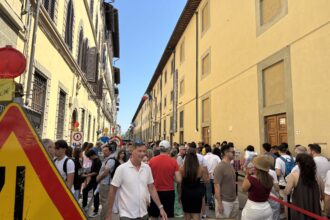
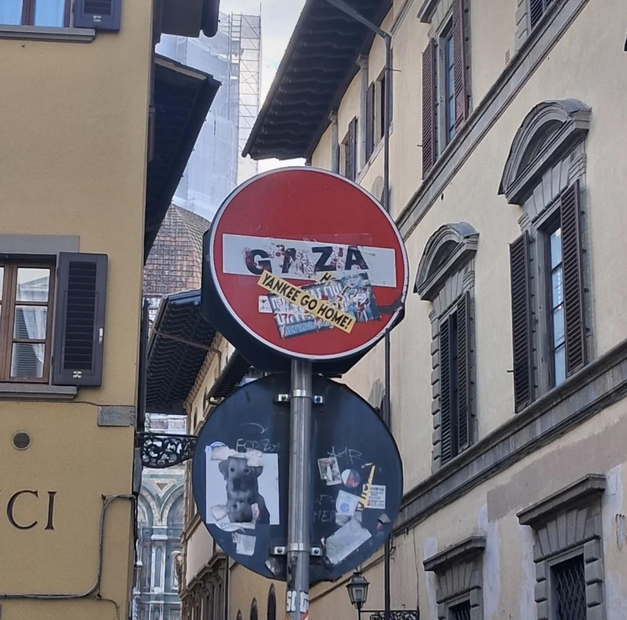
On a narrow street in Florence’s historic center, a red-and-white “No Entry” sign is covered by a yellow sticker: “YANKEE GO HOME!”
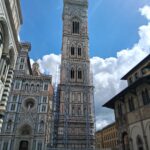
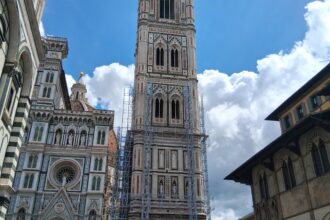
Just steps from the Piazza del Duomo, where ambulances sit on standby daily to assist heat-stricken visitors navigating packed streets, the sticker, one of many that have spread throughout the city, captures a rising frustration among residents.
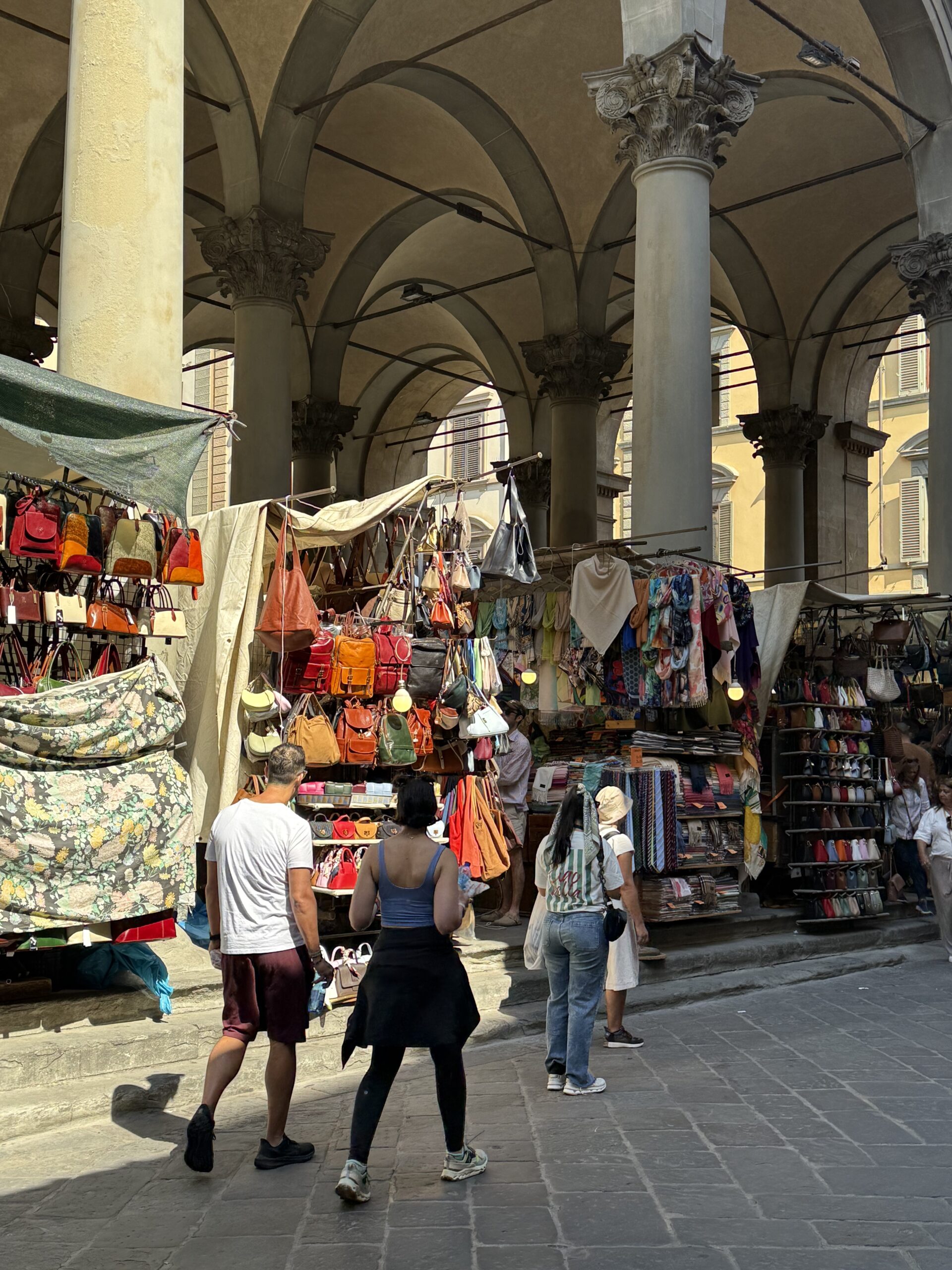
“Florentines don’t want to come into the historic centre anymore,” resident Emiko Davies told the UK news outlet Metro. “I’ve watched old ladies with their shopping trollies trying to battle tourists and not be able to get past. It’s like being hit by an ocean wave.”
For decades, cities across Europe welcomed mass tourism as a major source of revenue. Today, that influx has led to a housing and infrastructure crisis, sparking pushback far beyond Tuscany.
Roughly 530 miles southwest of Florence, in the middle of the Mediterranean, the Spanish island of Mallorca reached a violent boiling point this summer. According to The Times, between 25,000 and 70,000 demonstrators organized by the activist group “Menys Turisme, Més Vida” (Less Tourism, More Life) flooded the streets of Palma on July 26. Protests escalated into clashes with law enforcement, resulting in police firing rubber bullets that injured eight demonstrators and hospitalized two.
Demonstrators held signs reading “We’re at capacity” and “My home is not your hotel,” protesting a worsening lack of housing that left over 1,000 residents living out of their cars in 2024, according to Yahoo Travel.
Reporting by The Independent also found that over the last two decades Mallorca’s resident population grew from 280,000 to 1.25 million, while annual visitor numbers surged from 7.5 million to more than 19 million, marking a rapid growth trend mirrored across popular European hubs and global tourist destinations.
In a statement on social media, Menys Turisme, Més Vida warned that local living conditions have reached an unprecedented breaking point: “We declare that Mallorca has reached its limit, its ecological, territorial and social limits, the limit of human pressure and the limit of what its residents can endure.”
Over the past two years, similar unrest has played out across southern Europe, with demonstrations continuing in several hotspots.
In Portugal, demonstrators marched through Lisbon, while neighboring Spanish cities like San Sebastián and Granada organized their own large-scale rallies. In Barcelona, where Yahoo Travel documented residential rents rising more than 30% due to short-term visitor rentals, protesters sprayed tourists dining out with water pistols and cordoned off hotel entrances with barricade tape.
In Genoa, Italy, residents staged a theatrical protest by parading a cardboard ocean liner through narrow alleyways to condemn cruise-ship overcrowding.
Beyond residential neighborhoods, the crushing volume of visitors is paralyzing major cultural institutions and municipal services worldwide.
In Paris, the Louvre abruptly shuttered on June 16, 2025, after museum staff refused to work in protest over unmanageable crowds and chronic understaffing.
In Kyoto, Japan, a municipal survey revealed that the top complaint among residents was severe overcrowding on city buses relied upon for daily commutes, with locals noting that early-morning tourist crowds routinely prevent students from getting to school on time. Nearby in Fujiyoshida, officials canceled a popular annual cherry blossom festival because crowds of 200,000 overwhelmed the daily lives of residents.
At the center of much of this friction is the short-term vacation rental market.
As apartments and houses are converted into Airbnbs, soaring rents and a lack of available housing have pushed out longtime residents. With fewer locals living in city centers, traditional neighborhood shops are increasingly replaced by businesses catering exclusively to visitors, a shift that many residents argue is eroding the historic character and daily life of central districts.
Across Europe, the housing crisis is compounding.
Over the past decade, house prices in the European Union grew 10% faster than incomes, according to European Commission research, with young residents hit the hardest. The resulting demonstrations across southern Europe reflect a broader critique from locals, who argue that municipal leaders have long prioritized the profits of mass tourism over the basic housing and infrastructure needs of residents.
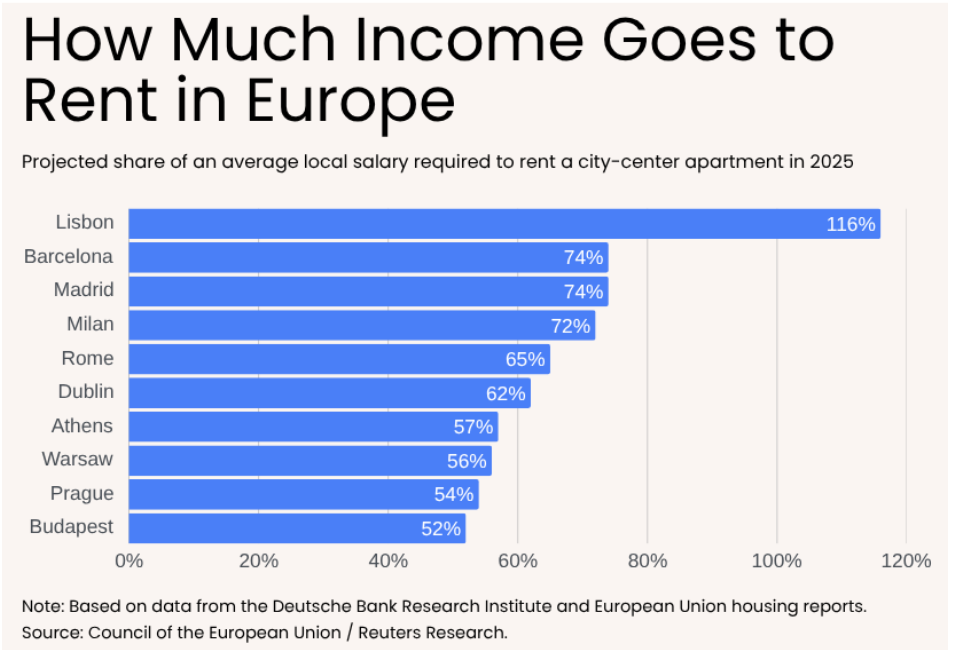
In response to mounting resident pushback, governments worldwide are beginning to introduce tighter rules to manage visitor numbers.
In Spain, national authorities ordered Airbnb to remove nearly 66,000 illegal holiday listings, while Barcelona’s town hall announced a plan to eliminate all 10,000 of its short-term tourist licenses by 2028. In Italy, Venice became the first city in the world to charge an entrance fee for day-trippers when it launched the system in 2024 to curb peak-hour crowding.
In Asia, Japanese authorities are enacting their own strict countermeasures. In Kyoto, parts of the historic Gion district have been closed to tourists, alongside sharp accommodation tax hikes. Nationally, Japan tripled its international departure tax on July 1, 2026, raising the fee from ¥1,000 to ¥3,000 to help fund crowd-control and tourist-management infrastructure.
Back in Florence, municipal leaders are adopting their own hardline stance.
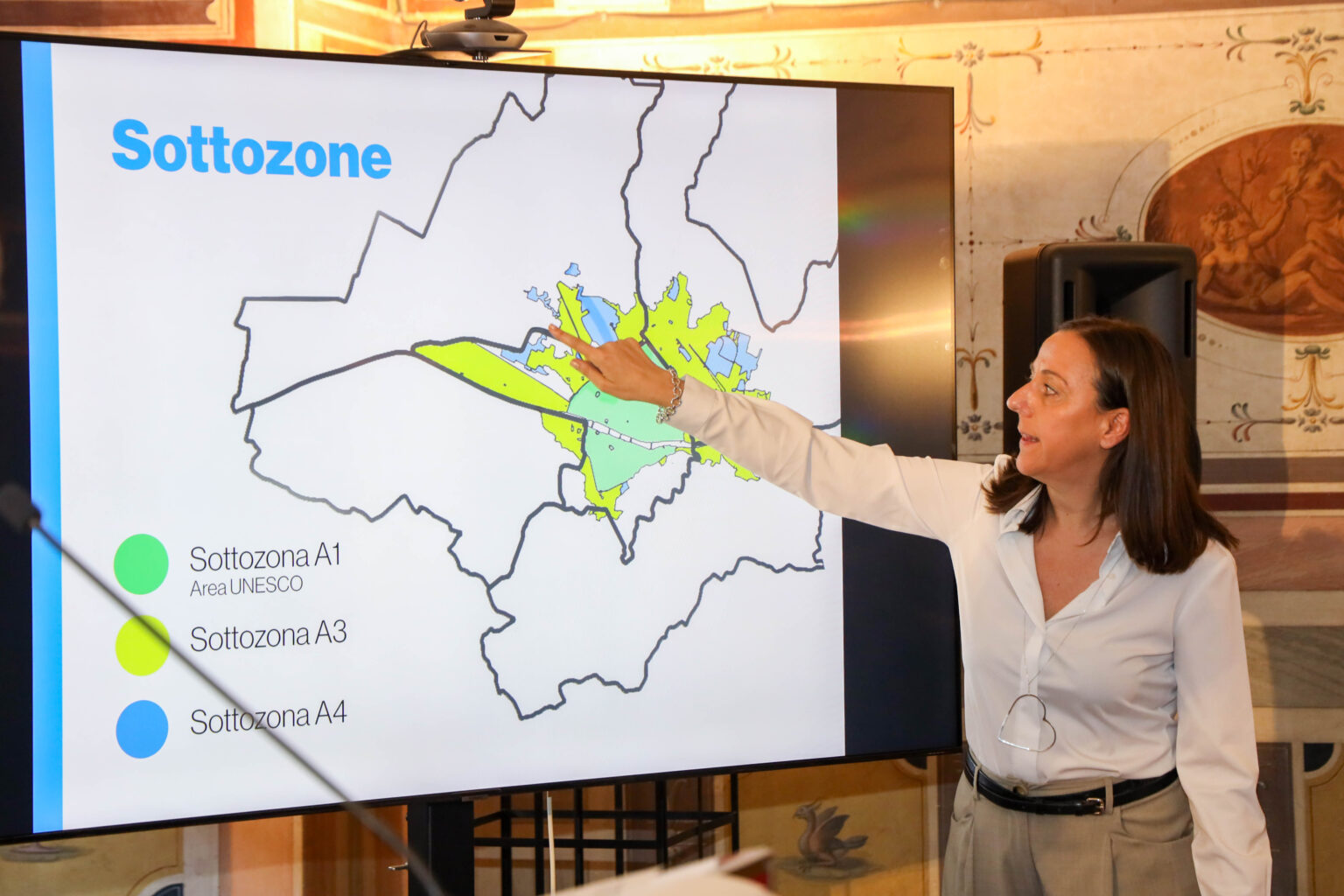
At a May 26 press conference, Florence Mayor Sara Funaro announced a major expansion of municipal restrictions on short-term holiday rentals, building upon a 2023 municipal decision that banned new short-term vacation rentals in Florence’s UNESCO-listed historic center.
“The objective is clear, to continue our commitment to protecting residential life and guaranteeing a sustainable balance between tourism and the daily lives of our citizens,” Funaro told Reuters.
The newly approved policy extends beyond the old city center’s 35,593 homes to regulate an additional 67,780 properties across the broader metropolitan area, bringing more than 100,000 homes under short-term rental limits, according to Reuters.
While city officials acknowledged that a moratorium protects existing operators until May 2028, meaning the measure will not immediately lower market rents, the legislation stops new Airbnb-style listings from expanding into residential suburbs.
These new rental restrictions are part of a broader city effort to reclaim public space.
Under new outdoor dining regulations introduced this year, Florence completely prohibited sidewalk restaurant seating across 60 historic streets, restricted expansions on 20 others, and banned outdoor plastic and advertising. The policy mandates strict clear pathways, alongside citywide bans on external key lockboxes attached to historic facades.
For popular destinations across Europe and the world, managing mass tourism is no longer just about economic growth, but about preserving everyday community life.
While travel and tourism remains a key source of revenue for many countries, accounting for 12.6% of gross domestic product in Spain, 11.8% in Portugal, 10.5% in Italy, and 7.5% in Japan, officials are caught between protecting a vital industry and preserving livable communities for locals.
The graffiti on Florence’s street signs and the demonstrations filling plazas across southern Europe reflect a turning point in global travel. As historic cities struggle with record crowds, the central question for governments is no longer just how to slow the influx, but whether these new regulations can actually undo years of damage and regain the trust of the residents who call these cities home.